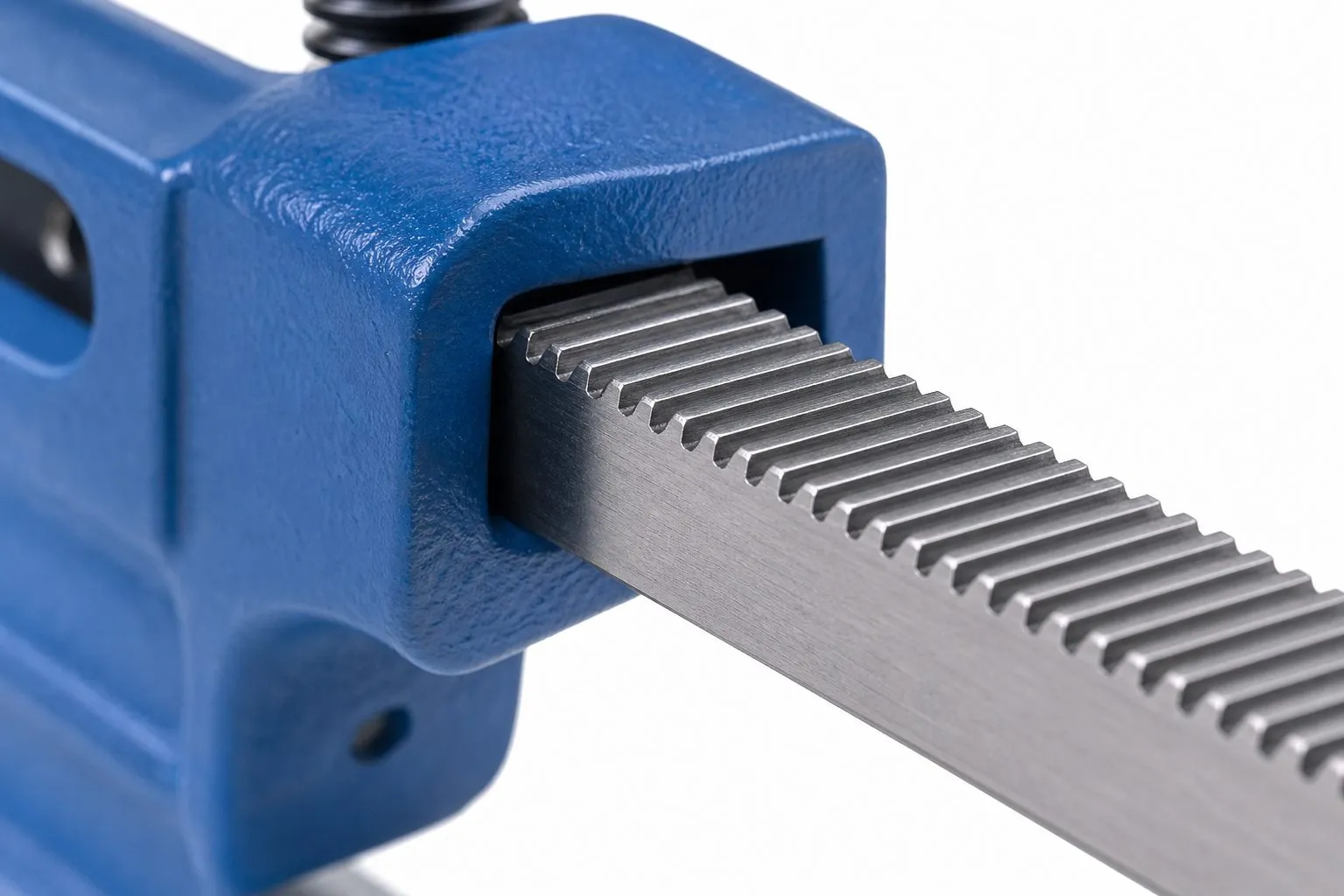
If an F-clamp bends during work, the problem is rarely only the operator. In many sourcing programs, bending starts with the wrong steel choice, a rail section that is too light, or castings that cannot support the stated load.
The common source of bending
Many low-cost clamps use thinner rails or inconsistent recycled material. The visible shape may look acceptable, but the clamp cannot hold stable geometry under repeated clamping force.
How Doyar specifies the rail and casting
For general industrial and woodworking applications, we pair A3 steel rails with malleable iron components. For heavier-duty projects, 45# steel rails and Q450-10 ductile iron castings are available.
What buyers should check
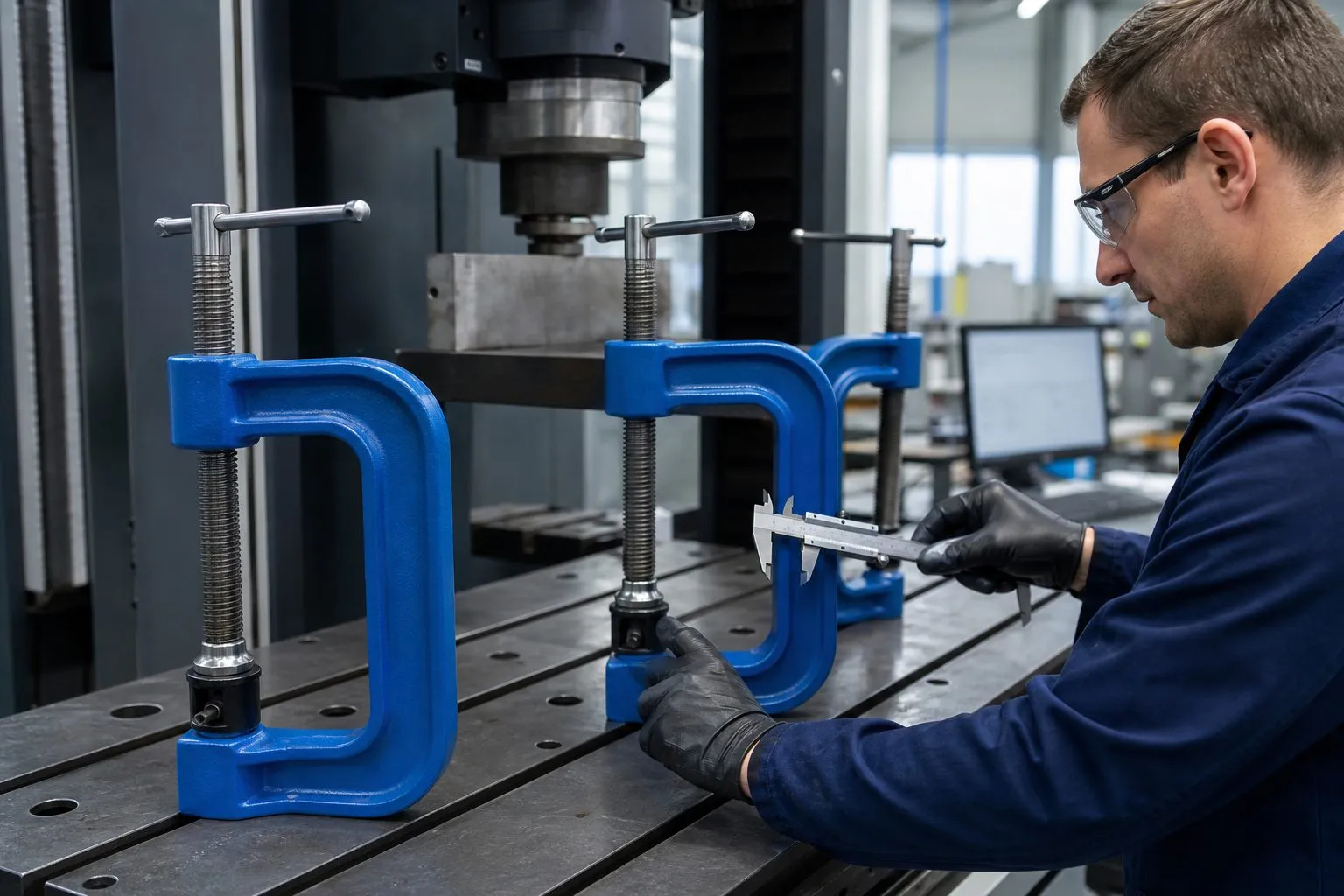
Ask for rail size, throat depth, spindle diameter, and the intended clamping force range. Then confirm whether the supplier can keep those specifications stable from batch to batch.